




Sustainability

Sustainability

OUR CARBON NEUTRALITY PLEDGE

Carbon Neutral By 2050

VENEX’s Inner Mongolia plant has obtained International Sustainability and Carbon Certification (ISCC) EU and ISCC PLUS certification, ISO 14067 Product Carbon Footprint (PCF) certification, and Global Sustainable Transport Certification (GSTC).

VENEX Inner Mongolia facility

ISCC EU / ISCC PLUS: ISCC certifies the sustainability characteristics, origin, and chain of custody of products, ensuring traceability and transparency throughout the supply chain. ISCC certification enables VENEX’s green methanol to meet the requirements of the Renewable Energy Directive III (RED III), allowing it to be supplied to the European marine fuel market and the global chemical industry.

ISO 14067: The Product Carbon Footprint (PCF) methodology developed and applied by VENEX for calculating cradle-to-gate product carbon footprints has been certified as scientifically sound and compliant with the requirements of ISO 14067.

Global Sustainable Transport Certification (GSTC): GSTC assesses the entire life cycle of a product to verify its greenhouse gas emission reduction benefits and environmental impacts. VENEX successfully completed the inaugural pilot audit under the GSTC certification scheme, demonstrating that its production processes comply with the applicable certification requirements.


OUR CERTIFICATION

END-OF-LIFE TYRES & BIOMASS WASTE

Up-Cycling Story About Circular Economy

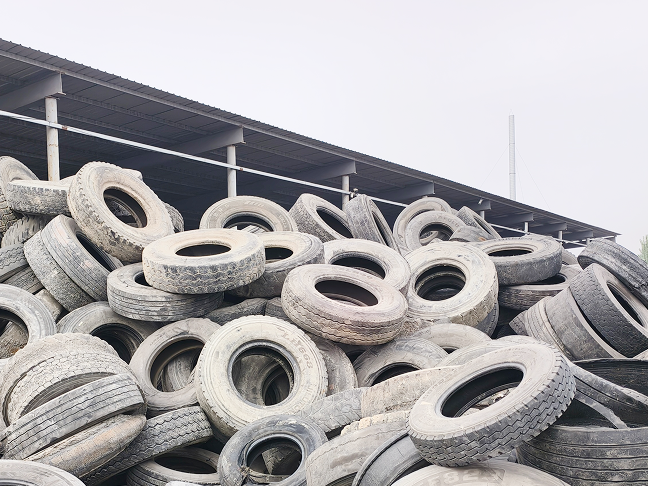
End-of-life tyres

End-of-Life Tyres (ELTs): End-of-life tyres (ELTs) pose a significant environmental challenge, with millions discarded each year and often ending up in landfills or being incinerated. By applying circular economy principles, VENEX’s self-developed technology converts ELTs into methanol—a versatile chemical and clean fuel. This innovative approach reduces landfill waste and carbon emissions while transforming discarded tyres into sustainable energy and renewable chemical feedstocks, creating both environmental and economic value.

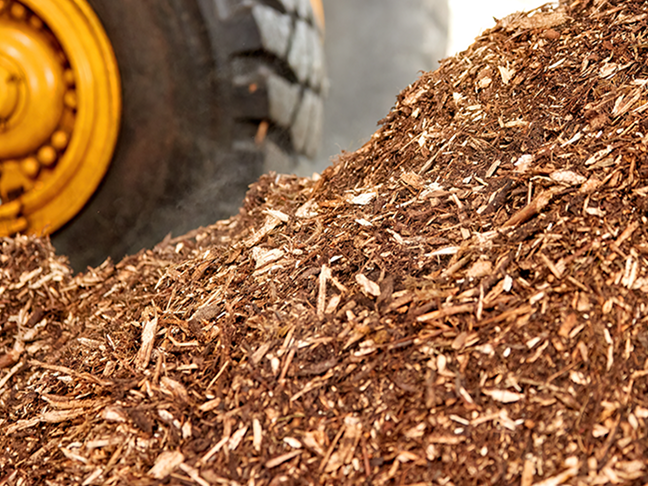
Biomass waste

Biomass Wastes: Biomass wastes are generated through routine pruning activities that promote healthier plant growth, as well as from wood processing operations. Instead of being burned or discarded, these materials are upcycled through circular economy innovations into high-value products.

Through torrefaction, biomass wastes are converted into biochar, which can be further synthesized into methanol for use as a clean fuel and chemical feedstock. A key by-product of the torrefaction process, pyroligneous acid, is recovered and used as a natural biopesticide and soil conditioner, promoting plant growth while reducing reliance on synthetic chemicals.

This integrated approach transforms biomass residues into climate-positive solutions, delivering sustainable energy, renewable chemical feedstocks, and benefits for regenerative agriculture.